Real-Time Micro-Copy Architecture: What Live Cricket Dashboards Teach Us About High-Converting Instagram Bios
Digital audiences evaluate mobile profiles in fractions of a second. When a potential follower or customer lands on a social media profile, they process visual hierarchy, messaging clarity, and trust signals almost instantaneously. In this fast-moving digital space, profile optimization is no longer a casual copywriting task. It is a conversion engineering challenge that dictates brand growth and audience retention.
Traditional social media strategies often treat the Instagram bio as a static blurb. Brand managers frequently write vague mission statements, attach generic website links, and expect consistent conversions. However, modern user behavior operates on continuous feedback loops. Mobile users expect structured, high-density clarity without friction.
To capture and hold attention, digital strategists must study sectors that excel at rapid information delivery. High-velocity interfaces, such as live sports scoreboards, have spent years refining the science of instant visual comprehension. By analyzing how these platforms structure complex data, social media teams can convert profile bios into effective conversion channels.
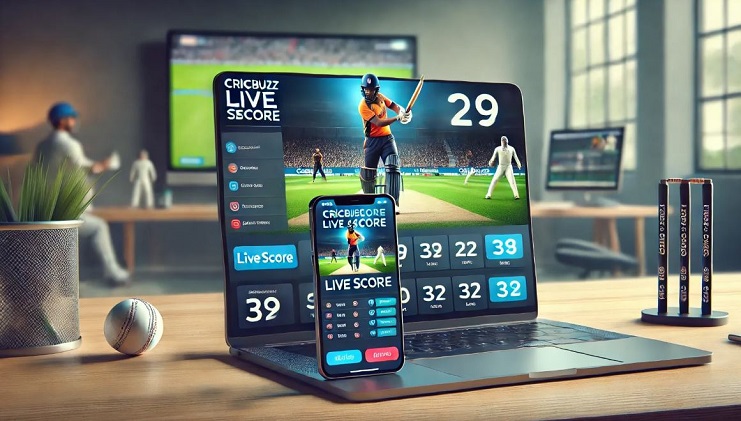
Live sports platforms solve a demanding user-experience problem every day. They must communicate complex, fast-changing events to millions of mobile visitors on limited screen space. During a live match, a user checks their device for a brief moment. In that brief window, the screen must display current scores, required run rates, active players, and recent ball outcomes without causing cognitive overload.
To achieve this balance, modern live sports interfaces rely on a disciplined information hierarchy. The top region features a persistent score ribbon that anchors critical match metrics. Subordinate panels stream granular events, statistical breakdowns, and probability feeds below. Interactive components, such as language toggles and category filters, remain consistently positioned in the primary viewport to eliminate navigational friction.
A clear example of this engineering approach appears on the live sports hub at desi betting on cricket . The interface organizes live match delivery into a streamlined, low-latency display. A top horizontal ribbon holds core match figures, while an automated ticker inserts ball-by-ball developments without triggering full page refreshes. This modular setup allows users to track shifting odds, team totals, and overs completed in real time, even on congested mobile networks. By isolating time-sensitive data at the top and placing historical context behind secondary taps, the layout preserves clarity while handling high-density updates.
Social media profile optimization requires identical structural discipline. An Instagram bio operates under severe constraints: 150 characters of body text, a single line for display names, and limited link space. When brands clutter this space with vague slogans or unstructured emojis, visitors leave immediately.
Instead, high-converting social bios borrow three core architectural principles from real-time data screens:
Primary Value Positioning — Place the essential hook in the first line, mirroring a scoreboard ribbon.
Modular Detail Segmentation — Group offerings, authority tags, and proof points into logical micro-units.
Low-Friction Call to Action — Direct user intent toward a single, obvious next step without ambiguity.
When social profiles adopt this structured layout, first-time visitors comprehend the value proposition instantly. The cognitive burden disappears, creating a direct path from discovery to action.
Building a High-Converting Profile System
Translating real-time data mechanics into social micro-copy requires a methodical process. Every character inside a mobile profile must earn its placement. Decision-makers should treat bio construction as an interface challenge rather than a simple copywriting exercise.
The first component is the headline name field. Most account owners simply repeat their brand name in this field. This approach wastes critical search real estate. Search algorithms index the name field alongside username handles. Combining the brand identity with high-intent keywords turns the name field into a persistent search anchor, similar to the match summary banner on a sports dashboard.
The second component is the bio body text. High-performing bios replace narrative prose with structured micro-units. The top line must define who the brand serves and what specific problem it solves. The second line should introduce social proof, such as client metrics, industry awards, or media coverage. The third line must establish the conversion mechanism.
To deploy this framework effectively, digital marketing teams can execute a structured four-step implementation process:
Conduct a Profile Audit — Evaluate current bounce rates and link click-through metrics to identify conversion friction.
Define Keyword Anchors — Select high-volume search phrases that match core business offerings and integrate them into the profile name line.
Modularize Bio Micro-Copy — Rebuild the 150-character body into distinct units representing value, proof, and direction.
Optimize the Link Mechanism — Align the destination landing page with the exact promise made in the profile micro-copy to maintain user momentum.
The link in bio strategy represents the final conversion threshold. A common error is directing traffic to a bloated homepage where users must search for options. Just as live sports platforms collapse detailed stat tables until requested, social profile links should lead to lightweight, dedicated landing pages. The destination page must mirror the visual tone and copy hierarchy established in the social bio.
When micro-copy and landing page architecture align, conversion performance increases predictably. Visitors recognize the direct connection between what was promised on the profile screen and what is delivered on the destination page.
Conclusion
Digital attention spans are not shrinking without reason; users are simply demanding higher efficiency from mobile interfaces. Profiles that present clear, structured micro-copy outperform those that rely on creative ambiguity.
By borrowing real-time UX principles from live sports dashboards—such as visual hierarchy, immediate value presentation, and low-friction navigation—brands can transform static social bios into reliable conversion engines. Applying structured design to profile copy ensures that every visitor grasps your value instantly, driving long-term audience retention and higher action rates.