The Evolution of Fashion: Trends, Sustainability, and the Business Behind the Industry
Monsters are real, and ghosts are real too. They live inside us, and sometimes, they win. You forget what you want to remember, and you remember what you want to forget. It is not length of life, but depth of life.
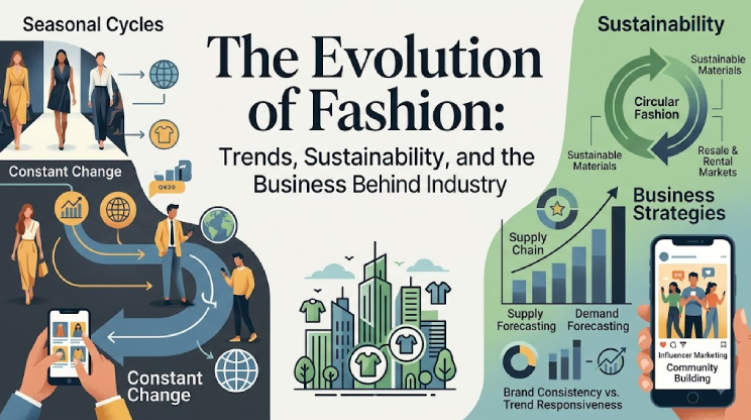
Fashion is far more than clothing; it is a reflection of culture, identity, economics, and technology all woven together. The industry has undergone dramatic transformation over the past two decades, shifting from seasonal runway shows dictating trends months in advance to a fast-moving landscape shaped by social media, sustainability concerns, and rapidly changing consumer expectations. Understanding how the fashion industry works today, and where it is heading, matters not just for designers and retailers but for anyone interested in how culture and commerce intersect. This article explores the major forces shaping fashion today, including the rise of fast fashion and its consequences, the growing demand for sustainability, the impact of digital technology and social media, and the business strategies that determine which brands thrive in an increasingly competitive and fast-changing market.
Traditional fashion once operated on predictable seasonal cycles, with new collections released twice a year following established fashion calendars. Today, many brands release new products continuously throughout the year, responding to trends that can emerge and fade within weeks rather than seasons. This acceleration has fundamentally changed how brands plan production, market products, and manage inventory. This shift has been driven largely by changing consumer expectations, shaped heavily by social media, where trends spread rapidly and consumers expect brands to respond quickly rather than waiting months for the next seasonal collection.
The Globalization of Fashion Trends
Fashion trends now spread globally almost instantly, driven by social media platforms that allow a trend originating in one region to become popular worldwide within days. This globalization has created both opportunities and challenges for brands, expanding potential markets while also intensifying competition from brands based anywhere in the world.
The Rise and Impact of Fast Fashion
What Makes Fast Fashion Different
Fast fashion refers to a business model built around rapidly producing inexpensive clothing that mirrors current trends, allowing consumers to purchase trend-driven items at low cost. This model relies on streamlined supply chains, efficient manufacturing, and rapid turnaround from design to store shelves, often compressing timelines that traditionally took months into just weeks. The appeal of fast fashion lies in its accessibility, allowing a broader range of consumers to participate in current trends without the cost typically associated with premium fashion brands.
The Environmental and Social Costs
Despite its accessibility, fast fashion carries significant environmental and social costs that have drawn increasing scrutiny. The rapid production cycles often result in excessive resource consumption, significant textile waste, and labor practices that have faced criticism regarding fair wages and working conditions in manufacturing facilities. As awareness of these issues has grown, consumers and regulators alike have begun demanding greater accountability from brands regarding their production practices.
Consumer Awareness and Changing Attitudes
A growing segment of consumers, particularly younger generations, have become more conscious of the environmental and ethical implications of their fashion choices. This shift has pressured even established fast fashion brands to introduce more sustainable practices, though genuine transformation often lags behind marketing claims, leading to increased scrutiny around practices sometimes described as exaggerating environmental credentials without substantial underlying change.
Sustainability as a Business Imperative
Why Sustainability Has Moved from Niche to Mainstream
Sustainability in fashion was once considered a niche concern relevant primarily to smaller, specialized brands. Today, it has become a mainstream business consideration, driven by consumer demand, regulatory pressure, and growing recognition of the fashion industry’s substantial environmental footprint. Brands that fail to address sustainability concerns increasingly face reputational risk and potential loss of market share to competitors who prioritize these issues more visibly.
Materials Innovation and Circular Fashion
Innovation in sustainable materials, including recycled fabrics and alternative materials that reduce reliance on resource-intensive production methods, continues to expand what is possible within sustainable fashion. The concept of circular fashion, which emphasizes designing products for longevity, repairability, and eventual recycling rather than disposal, represents a fundamental shift away from the traditional linear model of production and disposal.
The Growth of Resale and Rental Markets
Secondhand and rental fashion markets have grown substantially, driven by both sustainability concerns and changing consumer attitudes toward ownership. Many consumers, particularly younger shoppers, now view purchasing secondhand or renting items for special occasions as both an economically sensible and environmentally conscious choice, rather than a compromise compared to buying new.
Technology’s Transformation of Fashion
Social Media as a Trend-Setting Force
Social media platforms have fundamentally changed how fashion trends emerge and spread. Rather than trends originating primarily from designer runways and trickling down through traditional fashion media, trends can now emerge from individual content creators and spread rapidly through viral content, sometimes bypassing traditional fashion industry gatekeepers entirely. This shift has created new opportunities for smaller and independent brands to gain visibility without the substantial marketing budgets traditionally required to compete with established fashion houses.
E-Commerce and the Changing Retail Experience
Online shopping has transformed how consumers discover and purchase fashion, with e-commerce now representing a substantial and growing share of fashion retail. This shift has forced traditional retailers to rethink their physical store strategies, often positioning stores as experiential spaces that complement online shopping rather than competing directly with it.
The Role of Artificial Intelligence in Fashion
Artificial intelligence has begun playing an increasing role in fashion, from personalized product recommendations based on browsing behavior to demand forecasting that helps brands optimize inventory and reduce overproduction. Virtual fitting technology and size recommendation tools also aim to reduce return rates, addressing one of the significant cost and sustainability challenges facing online fashion retail.
Building a Successful Fashion Brand
Defining Brand Identity in a Crowded Market
With countless brands competing for consumer attention, establishing a clear and authentic brand identity has become essential for standing out. Successful fashion brands typically communicate a distinct point of view, whether through design aesthetic, values, or the specific customer experience they offer, rather than attempting to appeal broadly to everyone.
The Importance of Storytelling
Consumers increasingly connect with brands that tell compelling stories, whether about their design philosophy, their production practices, or the people behind the brand. This storytelling extends beyond marketing campaigns into every customer touchpoint, from packaging to social media presence, creating a cohesive brand experience that resonates emotionally rather than relying purely on product features.
Balancing Trend Responsiveness with Brand Consistency
Successful fashion brands must balance staying relevant to current trends with maintaining a consistent brand identity that customers recognize and trust. Brands that chase every emerging trend risk diluting their identity, while those that ignore trends entirely risk appearing outdated. Finding the right balance requires deep understanding of both the brand’s core identity and its target audience’s evolving preferences.
Supply Chain and Production Considerations
Navigating Global Supply Chains
Fashion supply chains often span multiple countries, involving complex logistics around raw material sourcing, manufacturing, and distribution. Managing these supply chains effectively requires balancing cost efficiency with quality control, ethical labor practices, and increasingly, environmental considerations throughout the production process.
The Challenge of Overproduction
Overproduction remains one of the fashion industry’s most significant challenges, with unsold inventory often ending up discarded or heavily discounted in ways that undermine brand value and contribute to environmental waste. Improved demand forecasting, made possible through better data analysis, along with production models that allow for smaller, more responsive production runs, help address this persistent industry challenge.
Quality Versus Quantity in Production Decisions
The tension between producing large volumes of inexpensive products versus smaller volumes of higher quality, longer-lasting items reflects a broader strategic choice facing fashion brands. This decision affects not only profit margins but also brand positioning, environmental impact, and long-term customer relationships built on trust in product quality and durability.
Marketing and Customer Engagement in Fashion
The Power of Influencer Partnerships
Influencer marketing has become a central strategy for fashion brands seeking to reach specific audience segments authentically. Partnering with influencers whose audience and values align genuinely with a brand tends to produce far better results than partnerships based purely on follower count, as audiences increasingly value authenticity over polished, obviously sponsored content.
Building Community Around a Brand
Beyond individual transactions, successful fashion brands increasingly focus on building genuine community among their customers, whether through exclusive events, engaged social media presence, or platforms that allow customers to connect with each other around shared interest in the brand. This sense of community often translates into stronger customer loyalty and organic word-of-mouth promotion.
Personalization at Scale
Advances in data analysis have enabled fashion brands to offer increasingly personalized experiences, from tailored product recommendations to customized marketing communications, even at significant scale. This personalization, when done thoughtfully rather than intrusively, tends to improve customer satisfaction and conversion rates compared to generic, one-size-fits-all marketing approaches.
The Future of Fashion
Continued Emphasis on Sustainability
Sustainability is likely to continue growing in importance rather than remaining a temporary trend, driven by both regulatory pressure and generational shifts in consumer values. Brands that build genuine sustainable practices into their core operations, rather than treating sustainability as a marketing afterthought, are likely to be better positioned for long-term success as these expectations continue to strengthen.
The Blending of Digital and Physical Experiences
The distinction between digital and physical fashion experiences continues to blur, with technology increasingly integrated into physical retail spaces and digital experiences becoming more immersive and personalized. Brands that successfully blend these experiences, rather than treating them as separate channels, are likely to build stronger overall customer relationships.
Adaptability as a Core Competency
Given the fashion industry’s history of rapid change, adaptability itself has become a core competency that successful brands must cultivate. This means building organizational structures, supply chains, and brand identities flexible enough to respond to shifting trends, technologies, and consumer values, without losing the core identity that makes a brand recognizable and trusted.
Conclusion
The fashion industry continues to evolve at a remarkable pace, shaped by shifting consumer values around sustainability, the transformative influence of social media and technology, and the ongoing challenge of balancing trend responsiveness with genuine brand identity. Brands that thrive in this environment tend to combine authentic storytelling, responsible production practices, and thoughtful use of technology to build genuine, lasting relationships with their customers. As sustainability concerns continue to grow and digital experiences become increasingly sophisticated, the fashion brands that succeed will likely be those that adapt thoughtfully while staying true to a clear and authentic brand identity.