Choosing the Right First Aid Course in Hobart for Your Personal and Professional Needs
Knowing how to respond when someone suddenly collapses, suffers a serious injury, or experiences a medical emergency can make a significant difference. However, not every first aid training program covers the same skills or serves the same purpose. Some courses focus on basic emergency care, while others provide comprehensive training for workplace responsibilities and specific industries. Choosing the right First Aid Course Hobart residents can access requires considering personal goals, professional obligations, and the practical skills needed to handle emergencies confidently.
Whether you are a parent wanting to protect your family, an employee seeking workplace certification, or someone interested in learning lifesaving techniques, understanding your training options can help you make an informed decision.
Before enrolling in a course, consider why you want to learn first aid. Your personal circumstances and professional responsibilities will influence which qualification is most appropriate.
For individuals interested in general emergency preparedness, a comprehensive first aid course can provide valuable knowledge about managing injuries, recognising medical emergencies, and responding appropriately until professional assistance arrives.
Parents and caregivers may benefit from training that addresses emergencies involving children, including choking, allergic reactions, and breathing difficulties. Meanwhile, employees working in construction, hospitality, education, or healthcare may need specific qualifications to meet workplace requirements.
Identifying your objectives beforehand helps ensure that the training provides relevant skills rather than information that may not match your needs.
Consider CPR Training and Certification
Cardiopulmonary resuscitation is one of the most important emergency response skills because it can help maintain blood circulation when someone experiences cardiac arrest.
Obtaining a CPR certificate Hobart employers recognise can be particularly valuable for workers responsible for public safety, childcare, fitness instruction, or workplace emergency response.
CPR courses generally teach participants how to recognise cardiac arrest, perform chest compressions, provide rescue breaths when appropriate, and use an automated external defibrillator.
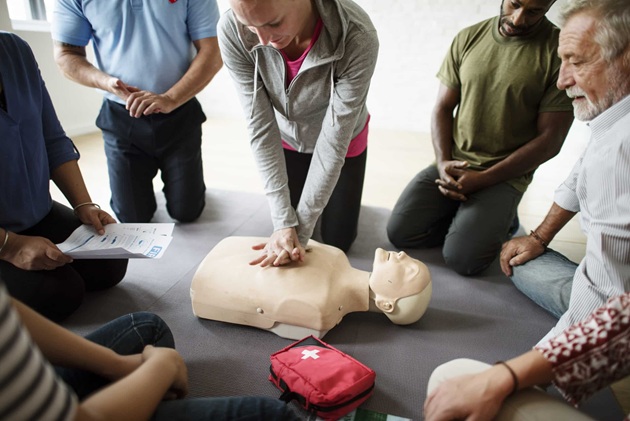
Practical exercises are especially important because they allow participants to develop confidence and become familiar with the physical techniques involved in performing CPR.
Individuals should also check whether their workplace requires regular CPR refresher training to maintain current competency.
Explore Flexible and Express Training Options
It may be difficult to find time for professional growth, particularly for those juggling work, family obligations, and other commitments. Fortunately, different training formats can accommodate varying schedules.
An Express First Aid option may appeal to individuals who prefer a more streamlined learning experience. Depending on the provider, these programs may combine online theoretical learning with practical classroom assessments.
This approach allows participants to complete certain learning components independently while still demonstrating essential emergency response skills under qualified supervision.
However, shorter training does not necessarily mean fewer assessment requirements. Before registering, participants should confirm the qualification delivered, required preparation, practical assessment duration, and any prerequisites.
Choosing a flexible course can make certification more convenient without compromising the importance of developing practical competence.
Check Course Accreditation and Recognition
Not all first aid programs provide nationally recognised qualifications. When selecting a training provider, verify that the organisation is a Registered Training Organisation and that its courses deliver the appropriate Australian competency units.
For example, HLTAID011 covers general first aid, while HLTAID012 focuses on emergency care in education and childcare settings. Choosing the correct qualification is particularly important when certification is required for employment.
Participants should also confirm how certificates are issued, whether employers recognise the qualification, and what refresher training is recommended. These details help prevent unnecessary repeat training and ensure that certification meets professional expectations.
Evaluate Practical Training and Instructor Experience
Effective first aid education involves more than memorising emergency procedures. Participants need opportunities to practice responding to realistic situations, communicate clearly, and make decisions under pressure.
Look for courses that include practical demonstrations, scenario exercises, and assessments using appropriate training equipment. Experienced instructors can explain common mistakes, provide constructive feedback, and help learners improve their emergency response techniques.
A supportive learning environment is especially beneficial for beginners who may feel uncertain about handling medical emergencies.
Compare Course Schedules and Learning Requirements
Convenience is another important consideration when choosing first aid training. Review available class times, training locations, course duration, and enrollment requirements before making a decision.
Some participants prefer comprehensive classroom instruction, while others appreciate completing theoretical components online before attending practical assessments.
It is also worth checking cancellation policies, certificate processing times, and any additional preparation required. Selecting a course that fits your schedule makes it easier to complete training without unnecessary disruption.
Conclusion
Choosing the right first aid course involves balancing personal interests, professional requirements, certification standards, and practical learning opportunities. A suitable program should provide relevant emergency response knowledge while helping participants develop the confidence to apply their skills when needed.
By comparing qualifications, training formats, instructor experience, and course requirements, Hobart residents can select first aid education that supports their immediate needs and prepares them to respond more effectively when emergencies occur.