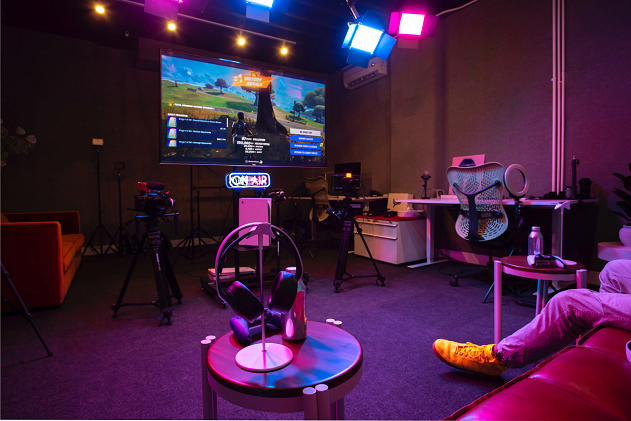
Tech giants spent a decade promising augmented reality would transform daily life, shipping headsets and demos that mostly gathered dust. Meanwhile, with far less fanfare, live entertainment studios put AR into profitable production, compositing animated characters and floating graphics onto real video for millions of nightly viewers. Skeptics can click here and watch rendered creatures interact with a physical wheel in real time, no headset required. The technology found its killer application in the last place futurists were looking.
Why Broadcast AR Succeeded Where Headsets Stalled
Consumer augmented reality demanded new hardware, new habits, and new content ecosystems simultaneously, a triple adoption barrier that crushed momentum. Broadcast-side AR inverted the problem: all rendering happens in the studio, and the audience receives ordinary video on devices they already own. Sports television pioneered the approach with virtual first-down lines decades ago. Game studios industrialized it, running theatrical composites continuously rather than for occasional graphics.
The Real-Time Compositing Pipeline
Merging fiction with live video convincingly requires solving alignment in every frame. Camera positions stream from encoded tracking heads into game engines, which render virtual elements from precisely matching perspectives before mixing them into the outgoing feed.
The Millisecond Budget
Total pipeline delay must stay imperceptible, since betting rounds cannot pause for rendering. Studios budget single-digit milliseconds per stage across tracking, rendering, and composition, running dedicated GPU racks beside the stage. When a multiplier explosion blooms over a winning number, the graphic lands frame-accurate on live video, a feat film productions achieve only in post-production.
What AR Adds Beyond Spectacle
Decorative flourishes justify budgets poorly; functional augmentation is what secured AR’s permanent role. Rendered layers now carry real information:
- Multiplier values hovering over their winning positions
- Animated characters signaling bonus round entries
- Statistics panels materializing beside physical wheels
- Personalized win celebrations visible per viewing region
The overlay became the interface, welding game state to physical action so viewers parse both in one glance.
Production Culture Collision
Staffing these shows required merging professions that never shared a room: broadcast engineers, game developers, and theatrical designers now iterate together on daily builds. Veterans describe early productions as translation exercises between vocabularies, with television crews learning render pipelines and game teams learning why lighting continuity matters. The hybrid discipline that emerged has no established name yet, though its practitioners are already being poached across industries.
The Export Path
Techniques proven in game studios are flowing outward into concert broadcasts, esports coverage, and shopping streams, carried by the same production staff. Live augmented entertainment turned out to be AR’s beachhead application, generating revenue while headset ecosystems mature. The moral suits technology history: transformative tools arrive not where promised, but where economics and audience already wait.