Analyzing Premier League Player Fitness in the 2009/10 Campaign Before Placing Match Wagers
The 2009/2010 Premier League campaign remains one of the most physically demanding seasons in modern English football history, characterized by intense tactical shifts and brutal domestic schedules. Assessing individual and squad-level physical condition during this period required a meticulous approach beyond merely reading basic team sheets. A player returning prematurely from soft-tissue trauma often compromised an entire tactical structure, directly influencing match outcomes, goal margins, and defensive stability. Understanding the exact mechanisms of fatigue, recovery windows, and physical degradation provides the necessary analytical baseline for evaluating pre-match value in historic football markets.
Tactical Intensity and the Physical Demands of the 2009/10 Season
The strategic landscape of the 2009/10 season witnessed a distinct transition toward explosive counter-attacking football and relentless high-tempo pressing. Teams like Carlo Ancelotti’s Chelsea maximized athletic output through powerful midfield diamonds, while traditional setups relied heavily on high-work-rate wing play to stretch defensive units. When key central midfielders or full-backs suffered a dip in aerobic capacity, their ability to execute rapid defensive transitions deteriorated significantly. Evaluating fitness during this era meant analyzing whether a squad possessed the physical reserves to sustain pressure over ninety minutes or if their tactical system would collapse in the final quarter of the match.
Tracking Recovery Cycles Across European and Domestic Schedules
Congested fixture schedules repeatedly exposed the depth limitations of top-flight squads competing across multiple competitions. Clubs participating in the UEFA Champions League or Europa League frequently faced games every three days, creating cumulative muscular fatigue that standard training sessions could not fully remediate. When assessing fixtures from that campaign, the elapsed recovery time between matches served as a fundamental indicator of impending performance drops.
Rest Duration Between Matches
Muscular Load & Fatigue Risk
Typical In-Game Performance Impact
Under 72 Hours
Severe lactic accumulation; high risk of soft-tissue strain
Noticeable drop in second-half sprint frequency and defensive tracking
Full capacity for high-intensity running and sustained physical duels
A compressed schedule inevitably forced managers to either rotate vital personnel or risk late-game defensive lapses caused by sluggish reaction times. Recognizing these recovery windows allowed analysts to spot vulnerabilities before they were accurately reflected in market lines. When core playmakers operated under severe muscular strain, overall team output suffered measurable declines.
Deciphering Managerial Press Conferences and Injury Ambiguity
Pre-match press conferences during the 2009/10 era were notorious for strategic gamesmanship, with managers frequently offering vague statements regarding player availability. Phrases like “late fitness test” or “slight muscular tightness” often disguised multi-week injuries or premature returns designed to deceive opposing coaching staffs.
Distinguishing Genuine Availability from Decoy Inclusions
A player being declared fit does not necessarily mean they are match-sharp or structurally sound for ninety minutes of top-flight intensity. Managers frequently named half-fit star players on the substitutes’ bench purely for psychological leverage, without any intention of fielding them unless forced by extreme circumstances. If an athlete missed two consecutive weeks of full-contact training, their match sharpness was invariably compromised, resulting in mistimed challenges, lower aerial duel success, and reduced sprint speed upon return.
Squad Rotation Dynamics and the Drop-Off in Bench Quality
Very few teams in 2009 possessed identical technical and physical replacements for their starting eleven, making rotation an inherently volatile variable. When managers rested elite full-backs or holding midfielders, the secondary options frequently lacked the dynamic pace required to contain opposition wingers. Tracking these rotational changes demanded a thorough understanding of system compatibility rather than just player names.
Whenever a structural imbalance emerged due to secondary squad members replacing injured starters, sharp market participants utilized a dedicated sports betting service to locate mispriced team totals. Evaluating these lineup adjustments through ufabet เว็บตรง provided an efficient avenue for capitalizing on sudden defensive discrepancies before kickoff adjustments locked in.
Weather Anomalies and Winter Pitch Deterioration
The winter of 2009/10 brought some of the harshest weather conditions seen in the UK for decades, leading to widespread match postponements and frozen playing surfaces. Heavy, waterlogged, or partially frozen pitches placed immense strain on players’ hamstrings, calves, and groins, compounding existing fatigue.
Pitch Hardness: Cold temperatures increased impact shock on joints, accelerating fatigue in veteran players.
Muscular Strains: Sudden shifts in surface traction triggered a surge in non-contact groin and hamstring injuries.
Fixture Congestion Postponements: Rescheduled games created mid-week bottlenecks later in the spring, heavily taxing smaller squads.
These environmental factors fundamentally altered match dynamics, favoring physically resilient squads with direct tactical approaches over technically gifted teams dependent on quick passing and agility. Factoring playing surface conditions into fitness evaluations was vital for accurately projecting second-half scoring patterns.
Long-Distance International Breaks and Physical Degradation
Intercontinental travel during international breaks introduced significant biological fatigue, commonly referred to as travel-induced circadian disruption. Players returning from South American or African World Cup qualifiers often landed in England less than forty-eight hours before a Saturday lunchtime kickoff.
Evaluating these logistical burdens proved essential when assessing individual match readiness, particularly for key playmakers facing immediate domestic action. When fatigue metrics indicated that a favorite was vulnerable to an upset due to depleted stamina, finding alternative entertainment avenues via an elite casino online allowed analytical enthusiasts to diversify their recreational engagement while waiting for cleaner football value.
Biomechanical Indicators During Live Match Warm-Ups
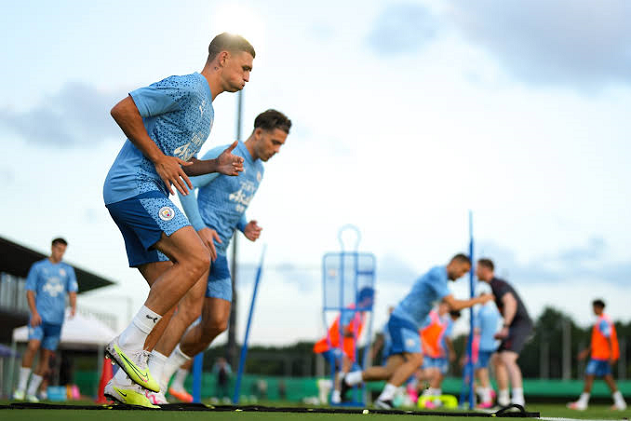
The final and most accurate stage of pre-match fitness evaluation occurred directly on the pitch roughly forty minutes before kickoff. Observing an individual’s movement patterns during high-intensity warm-up drills offered immediate insight into lingering physical issues. Athletes favoring one leg, exhibiting limited lateral agility, or engaging in unusually prolonged stretching routines with physiotherapists were frequently carrying unhealed strains. Spotting these subtle physical hesitations provided a decisive edge in judging whether a key player would survive the physical demands of ninety minutes or require early substitution.
Summary
Accurately evaluating player fitness during the 2009/10 Premier League season required synthesizing fixture density, medical reality, environmental strain, and logistical fatigue. Relying solely on official availability reports often led to flawed assessments, as managers regularly masked physical limitations for competitive advantage. True analytical clarity came from cross-referencing recovery timelines, analyzing tactical drop-offs between starters and reserves, and observing real-time physical indicators prior to kickoff. Applying this multi-layered physical scrutiny ensured that assessments were anchored in objective physiological reality rather than speculative assumptions.