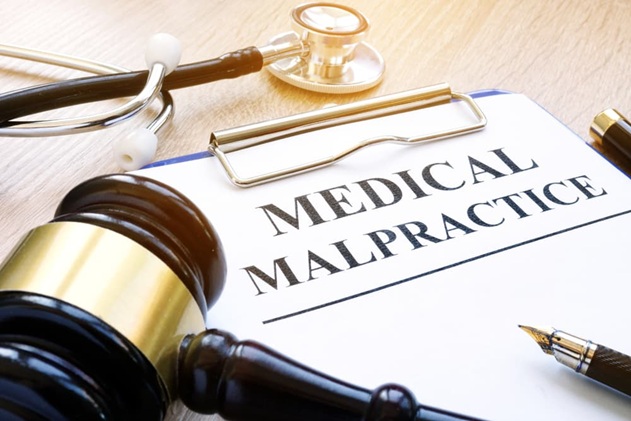
People go to doctors, nurses and hospitals because they need aid. Medical personnel could hold the key to their health and their very lives. Usually care follows the plan. But medical mistakes can happen. And when carelessness causes harm, the patient may be left with more than discomfort. They may need more care, miss employment or be left with a lasting injury. Not all bad results are malpractice. Some health problems occur despite good care. A medical malpractice claim generally must show a health provider fell short of the proper level of care, and that resulted in the injury. If you were harmed by medical care, a Fairfax Medical Malpractice Attorney can assist you understand your rights and options.
Types of Injuries from Medical Malpractice
Medical misconduct can cause various kinds of damage. Some get better with age. Years can pass and yet affect a person. Common injuries can be:
- Nerve injury
- Head injuries
- Spinal cord injury
- Damage to organs
- Serious infections
- Birth injuries
- Burns,
- Fractured bones
- Internal bleeding
- Permanent disability
- Exacerbation of a pre-existing condition
It is contingent upon the injuries, but also how it affects your day to day life. Maybe you can’t work like you did. Maybe you want help getting ready, driving or looking after your family. These adjustments might come at a serious cost.
Missed Diagnoses Can Lead to Serious Harm
One of the most common complaints in medical negligence claims is a missing or delayed diagnosis. A patient may present to a doctor with obvious red flags. The doctor may not order the proper test or miss an alarming result. The waiting period can allow a serious condition to progress. Delays in care can make cancer, stroke, heart issues, infections and other disorders harder to treat. A later diagnosis may show how far the illness has progressed. A delayed diagnosis does not automatically mean negligence. The medical evidence should reflect whether the provider performed as another qualified provider would have acted.
Surgical Errors Cause Permanent Injuries
Surgery always involves some risk. Patients are routinely advised about possible complications prior to surgery. But some surgical injuries are from preventable blunders. Examples include operating on the incorrect side of the body, harming tissue nearby, utilizing the wrong surgical technique, or leaving an object in the body. If the surgery does not go as planned another operation may be required. It may potentially result in chronic pain, restricted mobility or lifelong impairment. That is a big burden. You may think you are looking at one surgery, but really you may be looking at months of rehab.
Medication errors can harm patients
Medicine can help individuals heal but if you take the incorrect kind it can really damage you. A clinician may prescribe the wrong medicine or dose. A nurse may administer the wrong medication. A pharmacy error can cause issues, too. Medication errors can cause allergic responses, damage to organs, overdose and other serious consequences. Records can help tell what medicine was prescribed and what medicine was given. They can also indicate when symptoms happened after error. The facts count. Those details can be reviewed by a lawyer and medical professional to establish if carelessness may have occurred.
Birth injuries can affect your child for years
Many families expect birth to be treated with care. Birth damage caused by a medical mistake can be devastating. Problems may occur before, during, or just after delivery. Medical teams may miss symptoms of distress or delay required treatment. Some youngsters may experience brain damage, nerve damage or other persistent damage. Cases like these can be quite expensive. A youngster may need therapy, special care, medical gadgets or long-term support. Parents are faced with the emotional hurdles of trying to plan for their child’s future. “Legal guidance can help them navigate potential sources of compensation.
What about hospital infections?
Hospitals treat sick and injured people. Sometimes infections occur despite good care. But a significant infection might also raise issues about whether workers followed safety measures required. The proof can be medical records, infection reports, test findings and notes on symptoms. The timing of the infection may also play a role. The patient should not infer that every hospital infection is medical negligence. It needs to be looked at in depth.
How to Prove a Medical Malpractice Injury?
The proof is needed for medical malpractice cases. Your medical records may demonstrate what transpired in treatment. Test findings can tell you what providers knew at different times. Bills can tell you how much the injury costs. In addition, expert medical testimony may be required. An expert can tell you what a reasonable provider would have done and if the provider’s actions caused harm. Other important evidence can include:
- Rx records
- Hospital registers
- Medical Imaging
- images of apparent injuries
- Records Follow-up
- Wage and work books
- Notes on pain and symptoms
- Accounts of those who observed what happened
Picture the evidence as a chain. Each link will assist clarify what happened and how the damage came about.
What Are The Legal Rights Of Injured Patients?
A medical malpractice claim may be able to help an injured patient recover compensation. The damages will be dependent on the harm and its long term repercussions. These can include medical expenses, lost income, future care expenses, discomfort, and other damages arising from the injury. Virginia likewise has very stringent standards for medical malpractice suits. Filing deadlines may limit the time a patient has to file a claim. Most personal injury claims in Virginia must be filed within 2 years. Medical malpractice claims may have additional restrictions and exclusions. The specifics of your case will determine whether the deadline applies. Don’t wait until the deadline is upon you. Getting good legal counsel early provides your lawyer time to get documents together, consider the facts and if appropriate obtain expert input.
What To Do After Medical Injury
Begin with your health. Receive the medical attention you need, even if you believe another provider caused the problem. Then keep your records. Keep copies of the bills, test results, prescriptions, images and messages to do with your treatment. Get it down while the story is still ringing in your ears. Include dates, symptoms, appointments, and what medical staff told you. Don’t modify records or make guesses about things you can’t remember. Straight answers and reliable records matter more. Price Benowitz Accident Injury Lawyers, LLP is situated in Fairfax VA. The business handles several types of accident cases and represents wounded people in major catastrophic injuries. If you think medical carelessness has caused you serious health issues, receiving legal guidance can help you know what to do next. You don’t have to handle the legal part yourself when you’re dealing with your injury.
FAQs
- What are some medical malpractice injuries?
Brain injury, nerve damage, organ damage, infections, birth traumas, spinal injuries, and permanent disability can result from medical misconduct. To win a malpractice lawsuit the injury must be related to negligent medical care.
- Does a significant medical mistake inevitably constitute malpractice?
No. Negligence is not automatically synonymous with an error or a bad outcome. Generally, a patient must prove that a physician failed to satisfy the standard of care and that the failure resulted in actual injury.
- What Evidence Is Needed to Prove a Medical Malpractice Case?
Medical records, tests, medications, hospital reports, bills, pictures and work records can aid. Medical expert views may also be needed to clarify whether the provider’s care was below the proper standard.
- Can I get money back for a medical malpractice injury?
Perhaps. Damages may include medical bills, lost earnings, future costs of care, and pain and other losses caused by the accident, depending on the facts. Virginia law also restricts and regulates some malpractice damages.
- When should I call a medical malpractice attorney?
Contact a lawyer immediately if you believe negligent care caused serious harm. Virginia has rigorous filing deadlines and some matters require expert evaluation. Acting quickly allows your legal team more time to preserve evidence and examine your claim.